


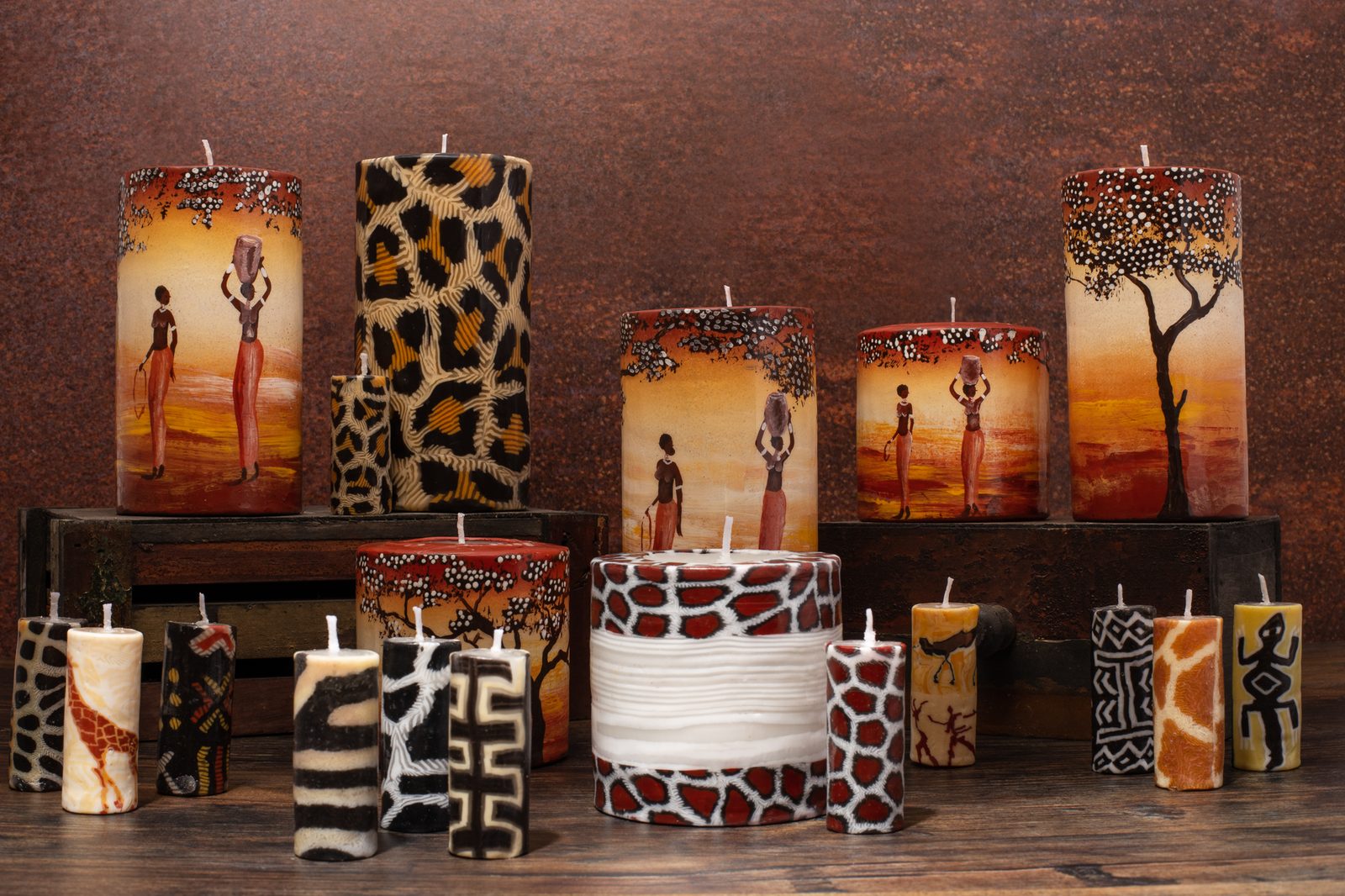
Tucked into the green folds of the Malkerns Valley, about 30 minutes from Mbabane, sits one of Eswatini's most delightful stops for travellers: the Swazi Candles workshop. What began in 1982 as a small cottage venture, started by two South African art graduates in a converted dairy cowshed, has grown into one of the country's best-known craft exports - and a genuinely fun place to visit, not just a shop.
A Craft Born from Colour
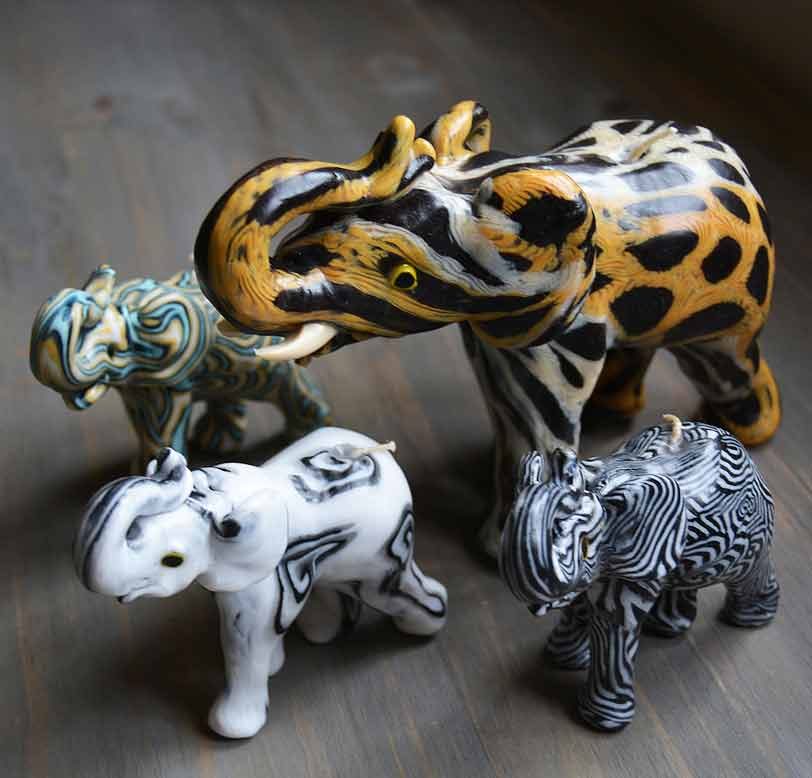
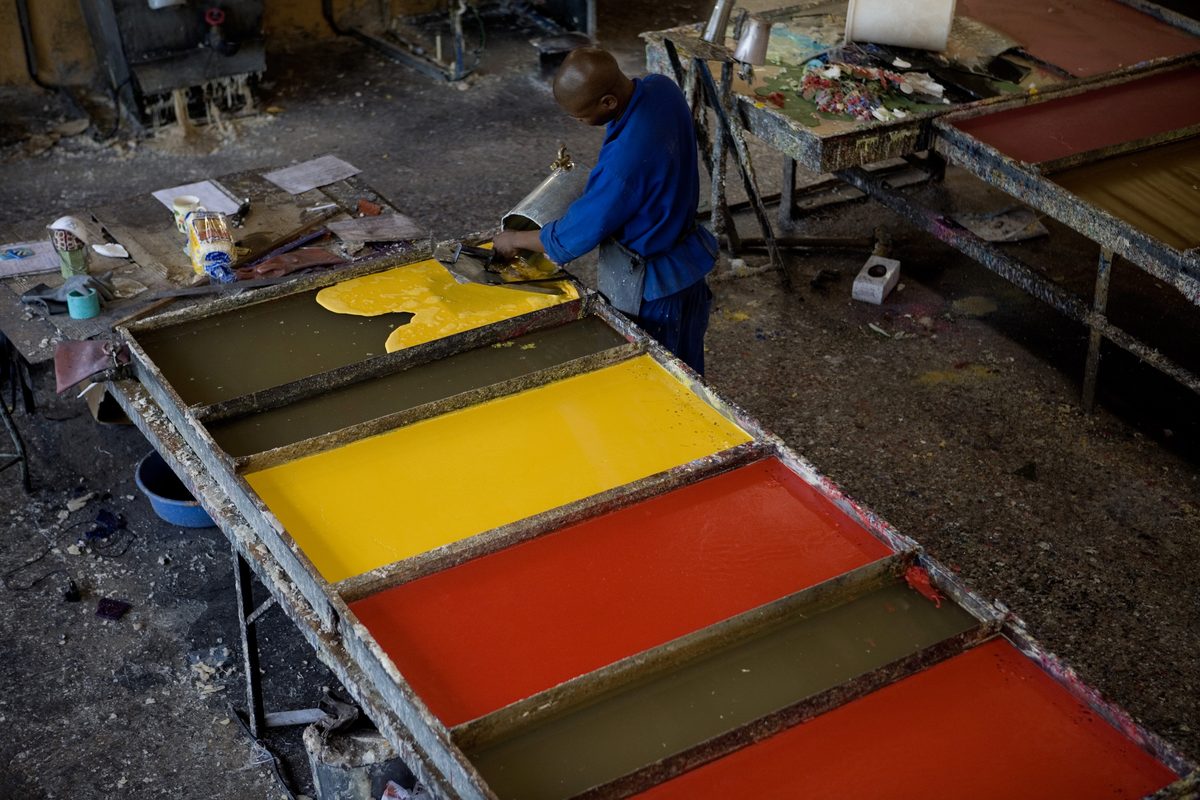
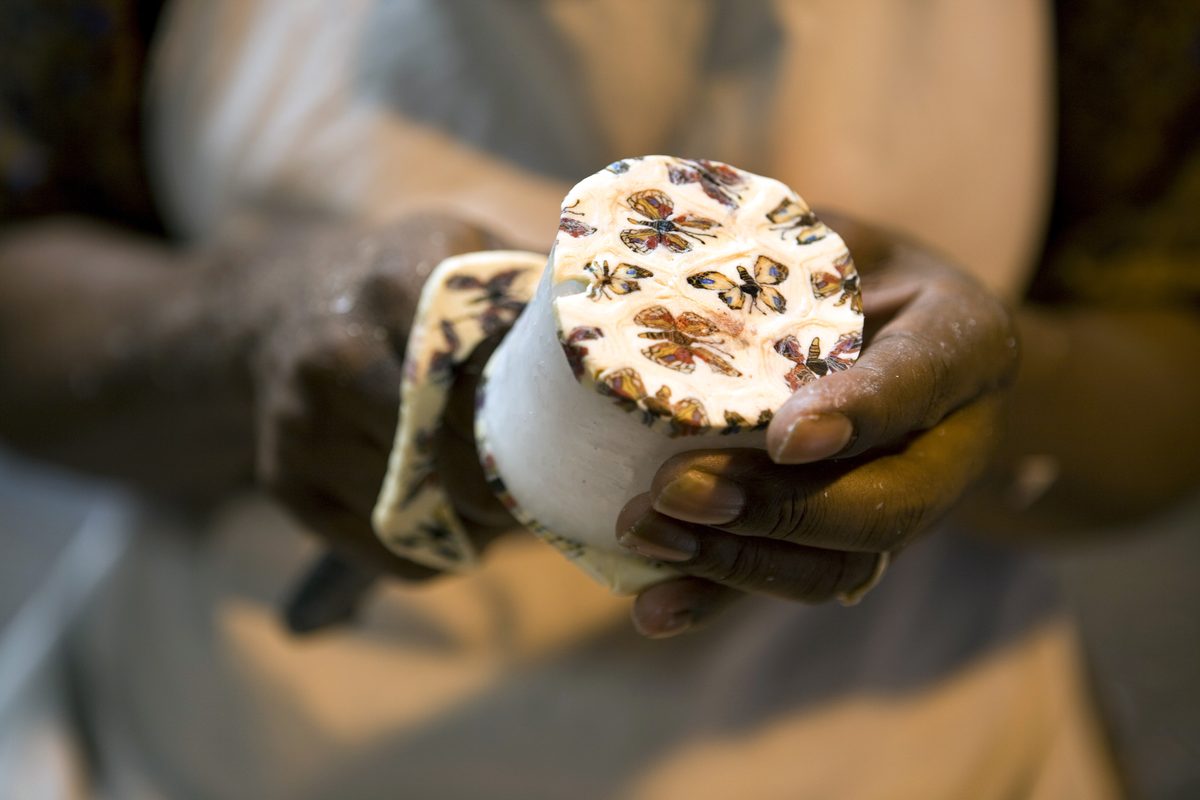
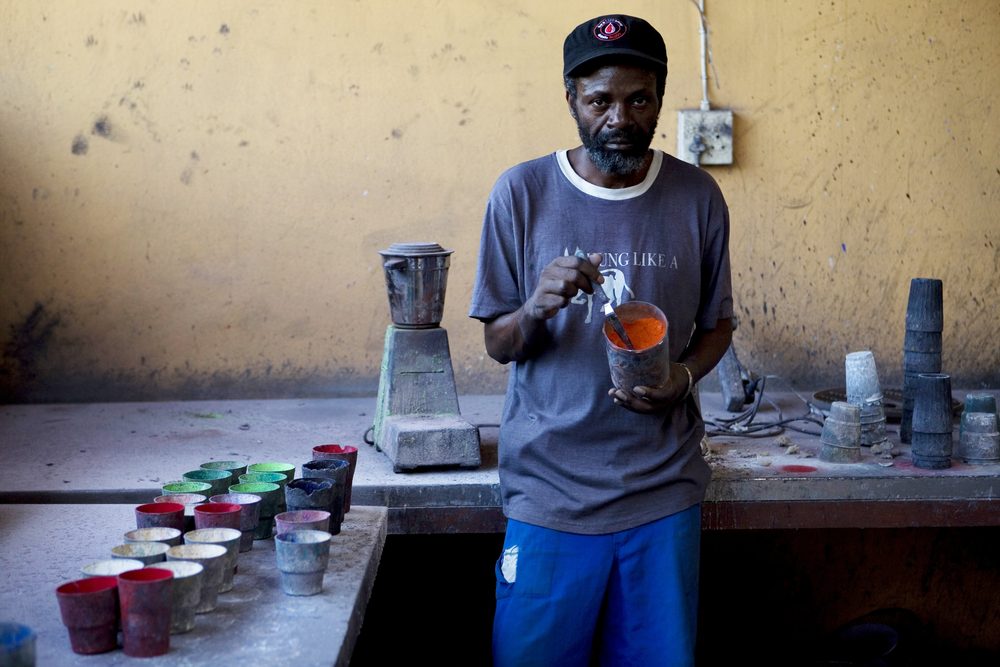
The candles themselves are hard to miss. Bold swirls, geometric patterns, and whimsical animal shapes - giraffes, elephants, rhinos - line the shelves in every colour imaginable. The technique behind them is an ancient one called millefiore ("thousand flowers"): wax is dyed in large trays, cooled into sheets, then cut into strips and layered to build up a pattern before artisans hand-sculpt the warmed veneer into its final shape. No two candles turn out quite the same, which is part of the appeal - each one is a small, one-off piece of folk art rather than a factory-line product.
More Than a Shop
What makes Swazi Candles worth building into an itinerary is the experience around the product. The Malkerns workshop is open to visitors, who can watch artisans at work - the whole space has been described as feeling more like "stepping into a colourful community than a typical craft market." Music plays, conversation flows, and the candle-making happens right in front of you rather than behind a factory wall.
Around the main workshop, a small craft village has sprung up over the years: woodcarvers, bead workers, textile artists, and painters run their own stalls alongside shops selling leather goods, jewellery, books, and fair-trade items. The Imbali Store, in particular, supports local women-run enterprises making hand-embroidered and beaded bags. There's also a café serving coffee, light meals, and homemade cake, plus a play area for children - making it an easy, relaxed half-day stop for families and independent travellers alike.
A Fair Trade Story
Beyond the craft itself, Swazi Candles has a genuine community dimension worth mentioning to guests. The company is a founding member of the Swaziland Fair Trade Association, permanently employs around 45 local people with healthcare and pension benefits, and runs an organic vegetable garden that supports staff nutrition. It's the kind of stop where a souvenir purchase translates fairly directly into local livelihoods - a detail that resonates with today's more conscious traveller.
Today the candles are exported to more than 20 countries, but there's still something special about buying one at the source, watching it take shape minutes before, and packing it straight into a suitcase.
Practical Notes for Itineraries
The Swazi Candles Centre in Malkerns makes a natural half-day addition to a broader Eswatini circuit, easily combined with nearby attractions in the Ezulwini and Malkerns valleys. Allow at least an hour to browse the craft village properly, and factor in time for lunch at the on-site café. Candles pack reasonably well for travel, though guests carrying on should be reminded that wax items may need to go in checked luggage depending on size and airline rules.
For any serious visitor to Eswatini, it's a stop that ticks several boxes at once: authentic craft, a good story, a place to relax, and a souvenir that actually means something.