


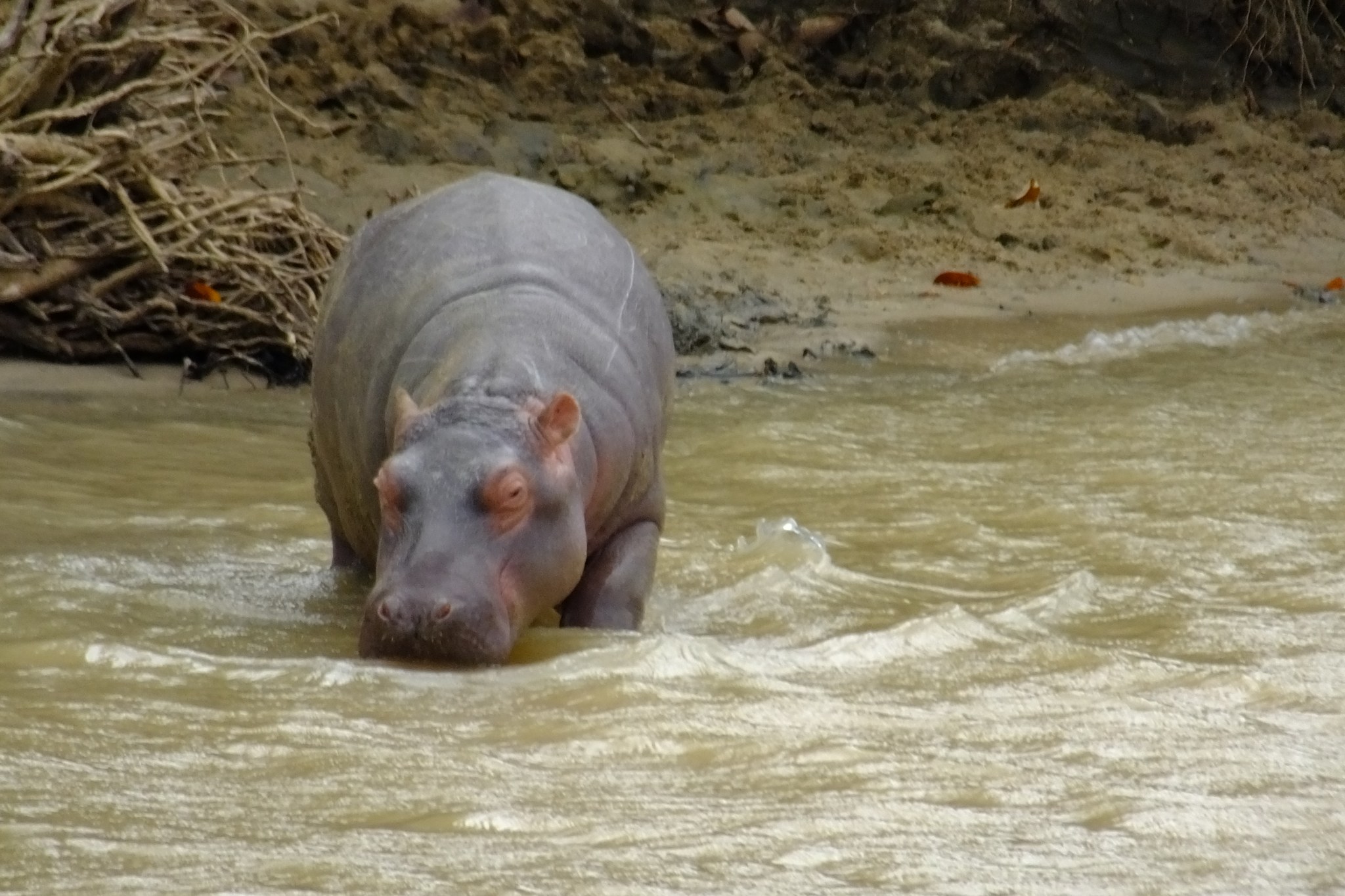
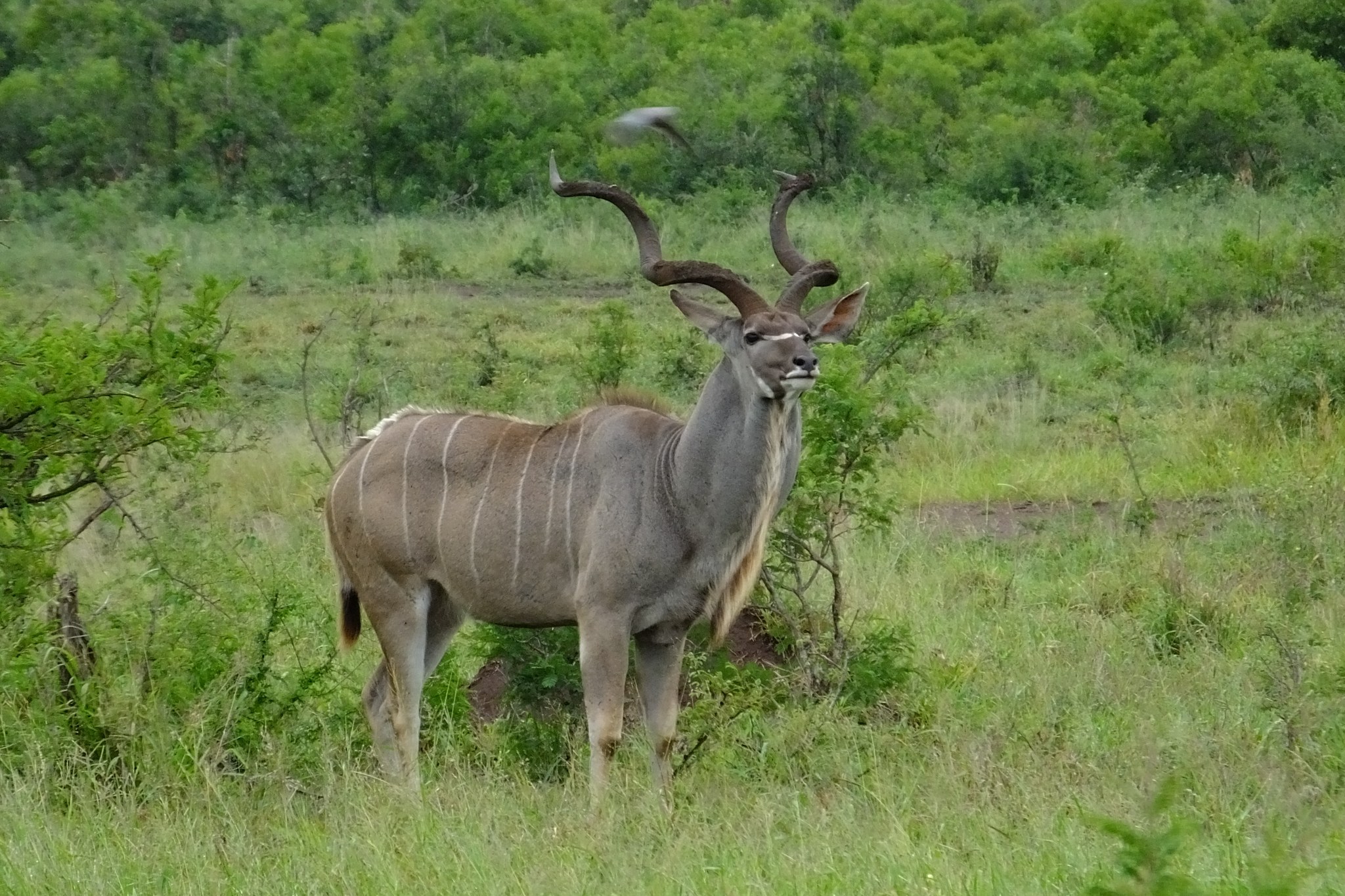
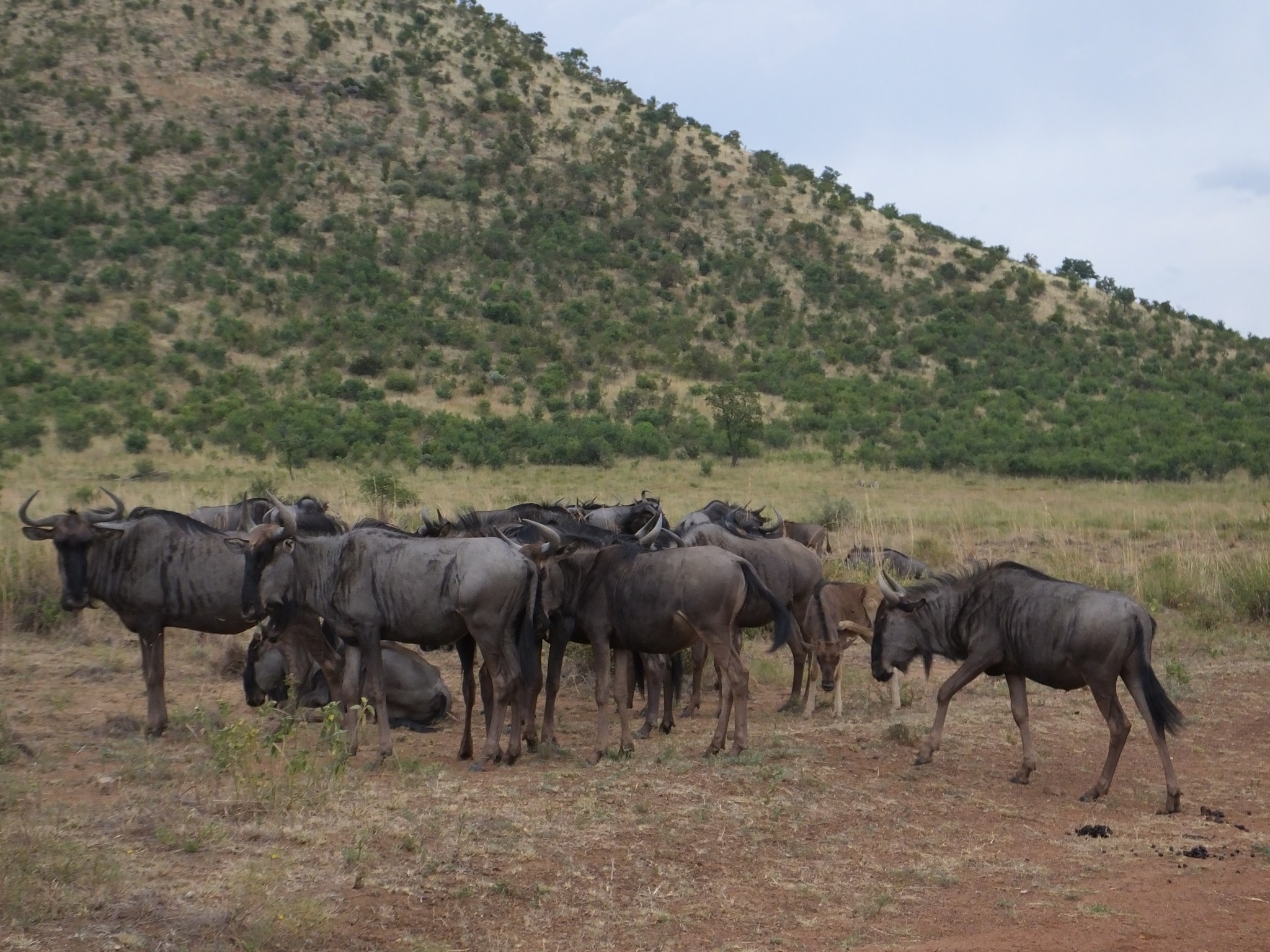
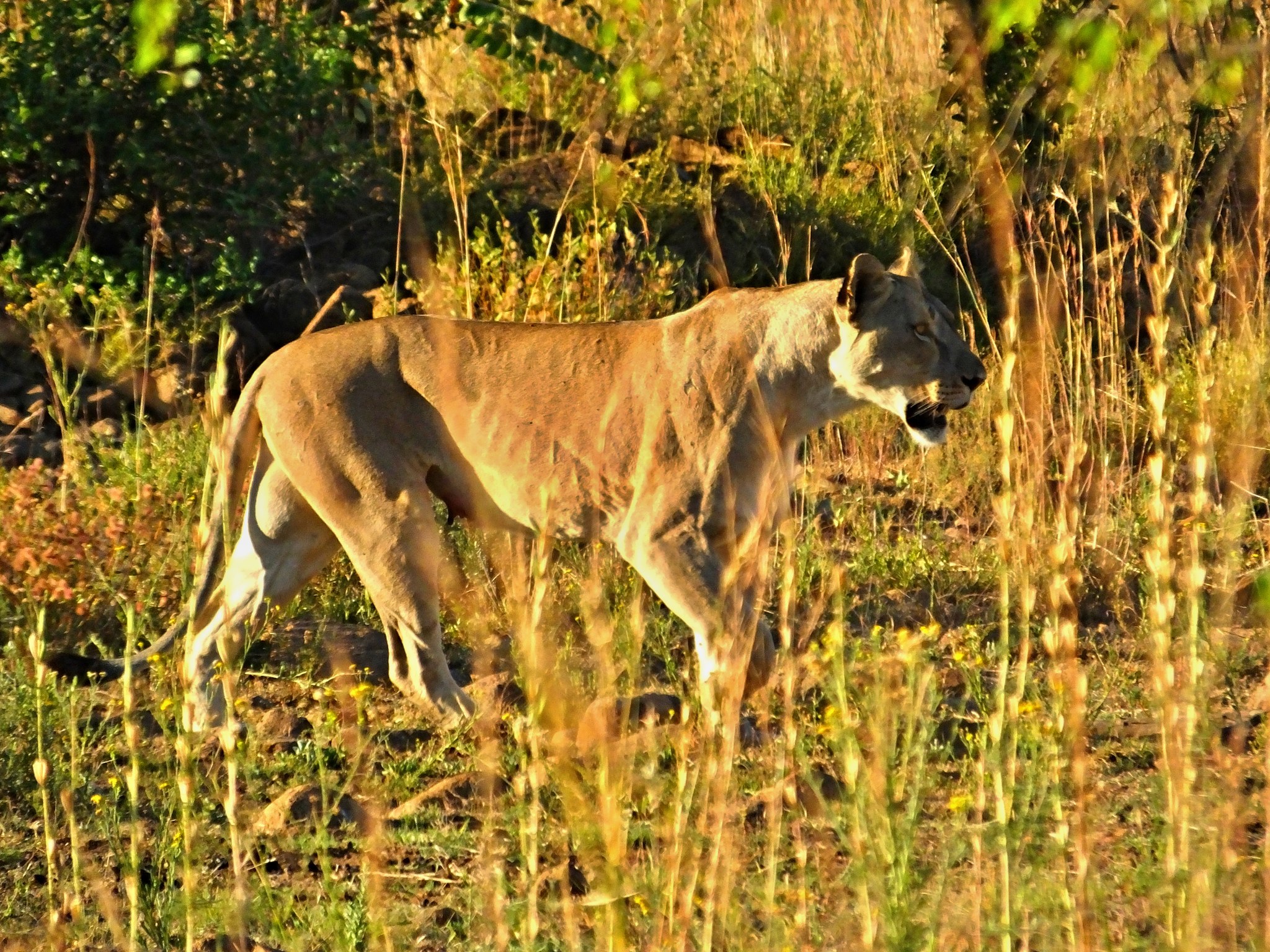
Safari isn't a visit to a zoo — it's watching wild animals in their natural habitat. Sometimes a single game drive brings elephants, lions and rhinos all at once; other times the highlight is a quiet encounter with a giraffe, a herd of antelope, or fresh leopard tracks. It's exactly this uncertainty, the patience it takes, and the chance to watch real animal behaviour that makes safari special.
How safari works
The most common format is a game drive in an open 4x4 with a guide, usually early morning and late afternoon, when animals are more active and the heat has eased. Private reserves tend to carry fewer guests per vehicle, often with an experienced ranger and a tracker working together. In national parks you can usually also self-drive on marked roads, with walking only allowed at designated spots. A walking safari offers a completely different perspective — instead of chasing big game, it focuses on tracks, plants, birds, and moving safely through the bush.
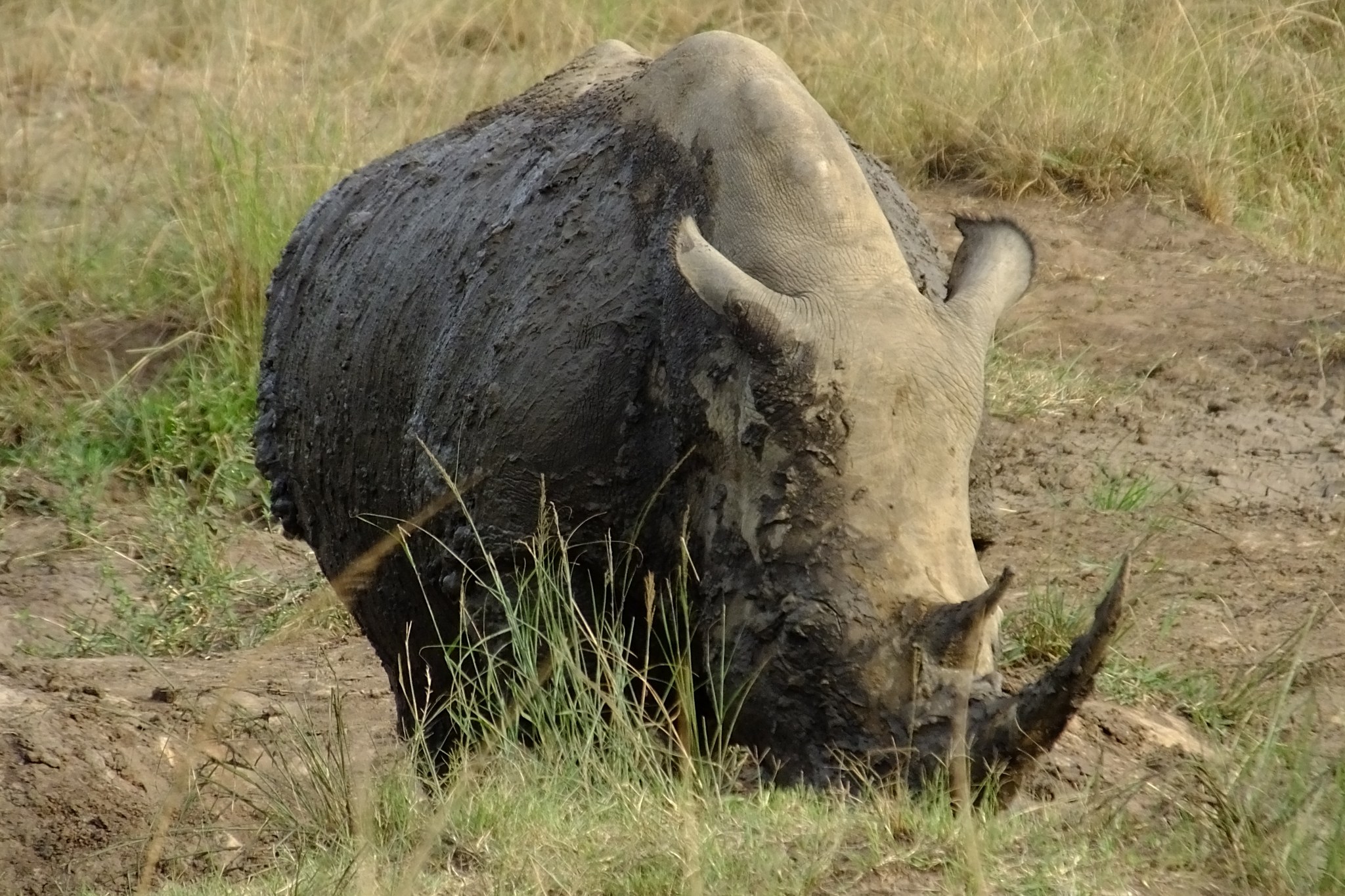
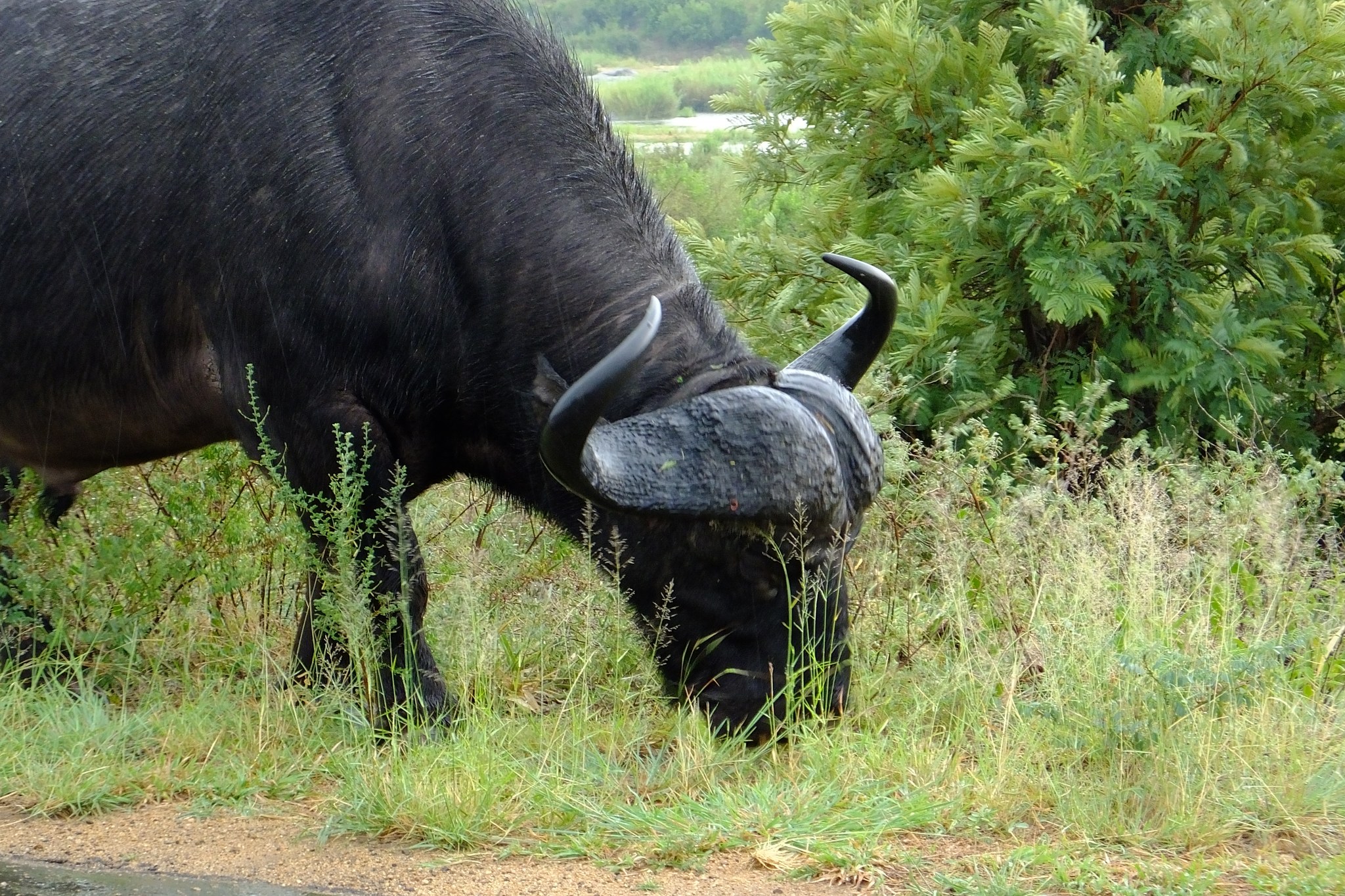
The "Big Five" refers to lion, leopard, elephant, rhino and buffalo. The name comes from hunting history, not a ranking of the five most interesting species, so we don't measure a safari's success by a checklist. A good guide explains the context, the behaviour, and the small signs a visitor would otherwise miss. Sightings can never be guaranteed, and animals must never be chased, fed, or lured too close.
Where to go
Kruger National Park is South Africa's best-known safari destination: it's vast, with a dense network of roads, many types of accommodation, and remarkable biodiversity. Along its western boundary, the private reserves of Sabi Sand, Timbavati and other parts of Greater Kruger allow off-road driving with a ranger, with very good odds for the big cats. Hluhluwe-iMfolozi in KwaZulu-Natal is renowned for rhino conservation and combines rolling hills with classic safari game drives.
Addo Elephant National Park in the Eastern Cape is excellent for elephants in particular and pairs easily with the Garden Route. Pilanesberg and the malaria-free Madikwe Game Reserve are practical choices on a route from Johannesburg; Madikwe is mainly about lodge stays with guided drives included. In Eswatini, Hlane Royal National Park and Mkhaya Game Reserve are worth a stop — Mkhaya in particular is known for close rhino encounters.
In practice
Layers work best for a morning drive — it can be very cold in an open vehicle before sunrise, even though the day warms up considerably. Bring binoculars, sun protection, insect repellent and a camera with a spare battery; neutral colours work better than bright clothing. Some areas call for malaria precautions, which is worth discussing with a doctor. Two nights is the minimum, but three to four give you a better chance of experiencing different times of day and the bush's changing conditions.
Want to include safari in your trip?
Tell us what draws you in, how much time you have, and what you picture for your trip. Together we'll design a programme that fits you.