


Anyone who still has an appetite for more after the Panorama Route and Kruger can add another five to six days – Eswatini and the KwaZulu-Natal coast follow on naturally, without any awkward backtracking.
Eswatini: Hlane and the Ngwenya Glass factory
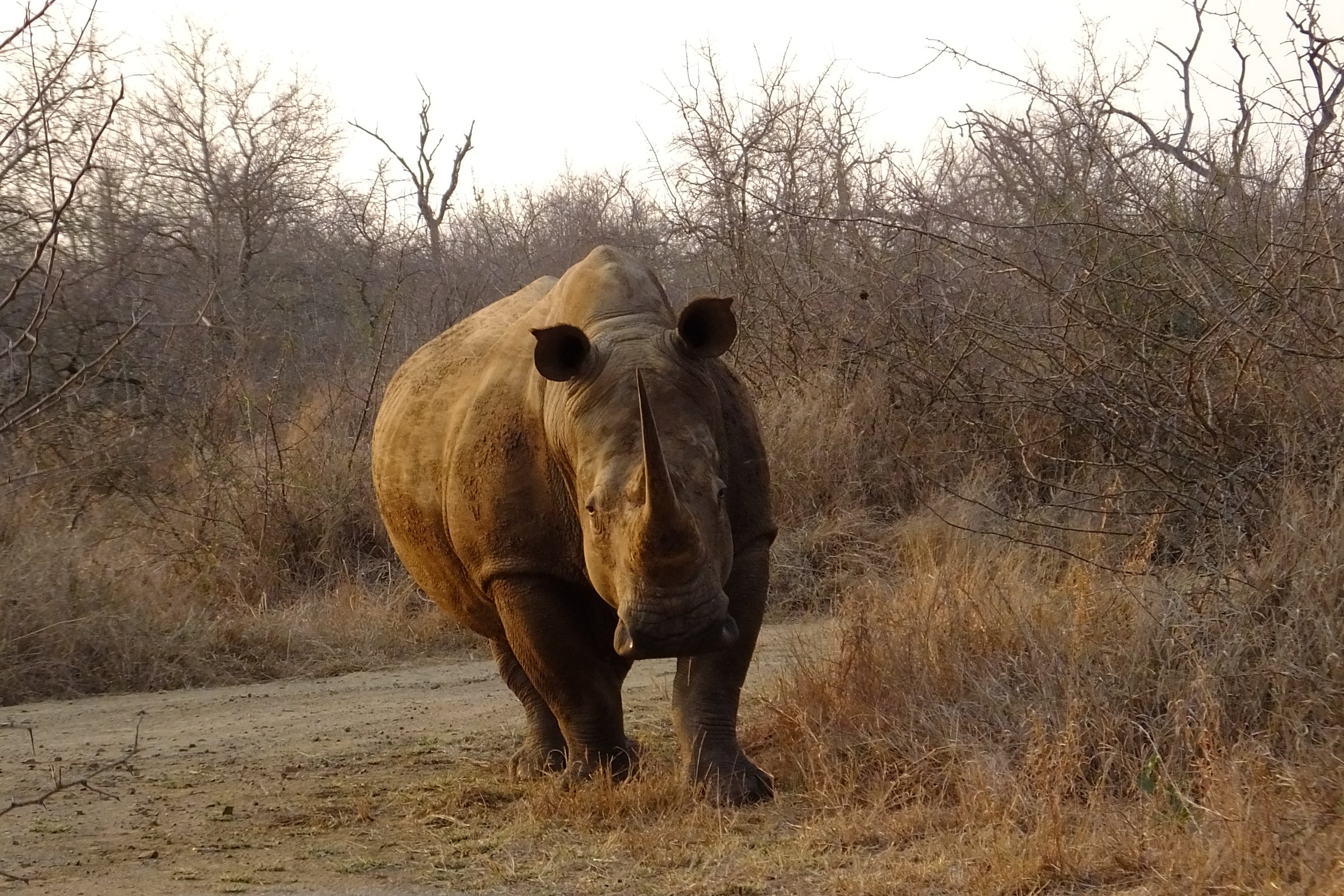
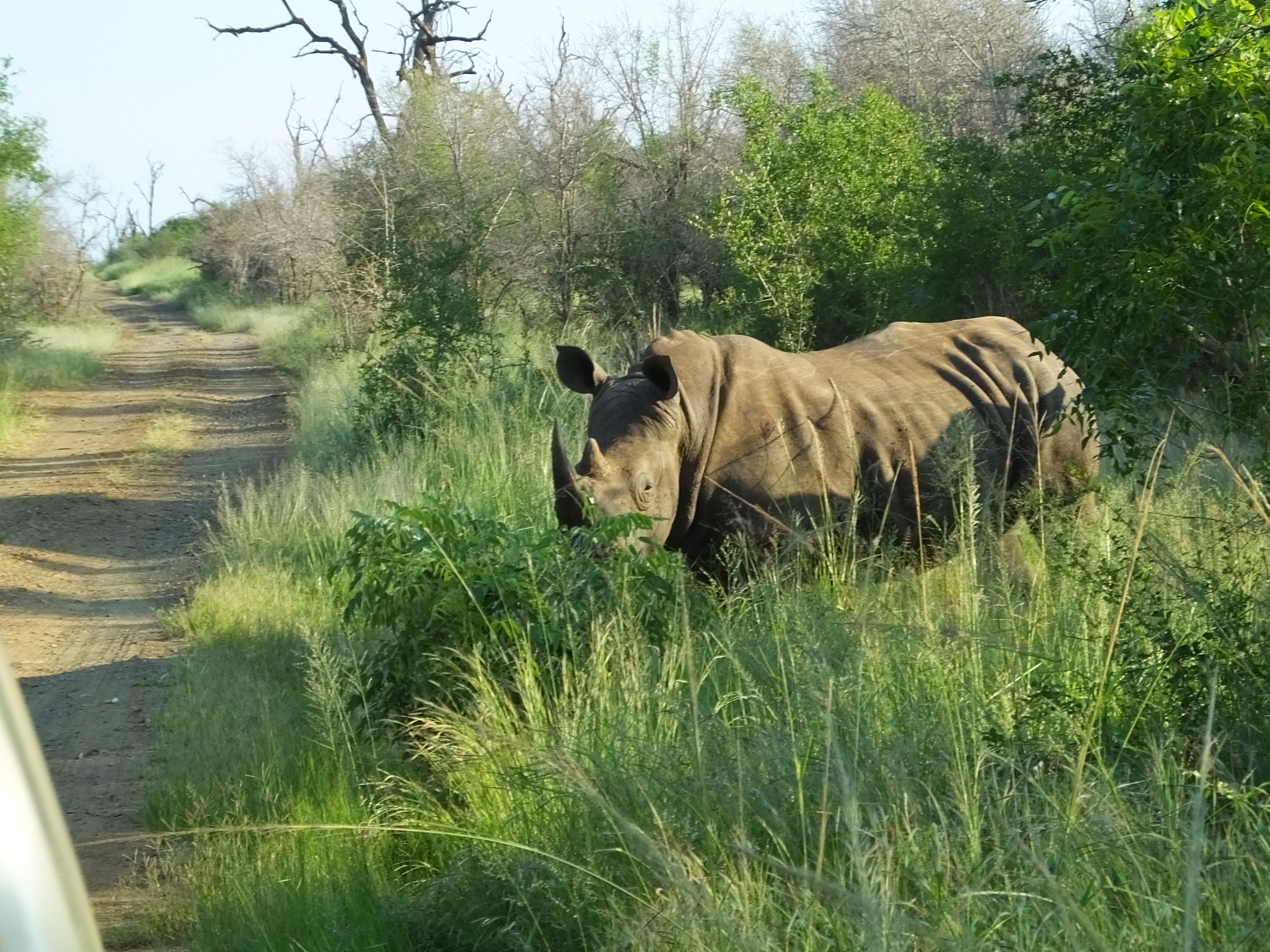
Hlane Royal National Park is home to the Rhino Drive – an outing where, at the right moment, the ranger stops the vehicle, cuts the engine, and if a particular rhino allows it, you approach on foot to within a few dozen metres. Distances from Manzini and accommodation options inside the park are easy to arrange as part of the wider route. It's also worth stopping at the Ngwenya Glass factory along the way, where glass is hand-blown from recycled material right in front of visitors.
St. Lucia: hippos and crocodiles up close
The town of St. Lucia sits on the edge of the iSimangaliso Wetland Park – a protected area covering roughly 3,000 km² on the KwaZulu-Natal coast, inscribed as a UNESCO World Heritage Site in 1999 for its exceptionally diverse and fragile ecosystems. The main draw is a roughly two-hour scenic cruise on Lake St. Lucia – hippos are visible on practically every trip, Nile crocodiles somewhat less reliably, since they tend to stay closer to the bank and often show only their eyes above the waterline.
Cape Vidal: a beach without the crowds
A short way north of St. Lucia, within the same protected area, lies Cape Vidal beach – golden sand, grassy dunes and warm Indian Ocean water. The seabed drops away steeply right by the shore, which makes the spot good for both fishing and snorkelling. Facilities are deliberately minimal (just toilets and a small shop), so it's worth bringing your own food and drink. From November to February, sea turtles come ashore here to lay their eggs.
Hluhluwe-iMfolozi: where the white rhino survived
Hluhluwe-iMfolozi Park has a remarkable conservation history – in the early 20th century, it became the last refuge for a few dozen remaining southern white rhino after hunting had brought the species to the brink of extinction, and today's global population of more than 17,000 white rhino descends almost entirely from that group. The park is also home to the rest of the Big Five, so this coastal leg of the trip adds one more solid chance at a safari.
This combination follows on naturally from the Panorama Route and Kruger, but it can also be arranged on its own. Let us know how many days you have, and we'll put together a specific route.