


If you're flying into O.R. Tambo and want to experience safari right at the start of your trip — or, the other way round, want to spend your last night close to the airport before flying home — Pilanesberg and its surroundings offer a ready-made one- or two-night module, and it combines well with SunEden, just a short distance away near Pretoria.
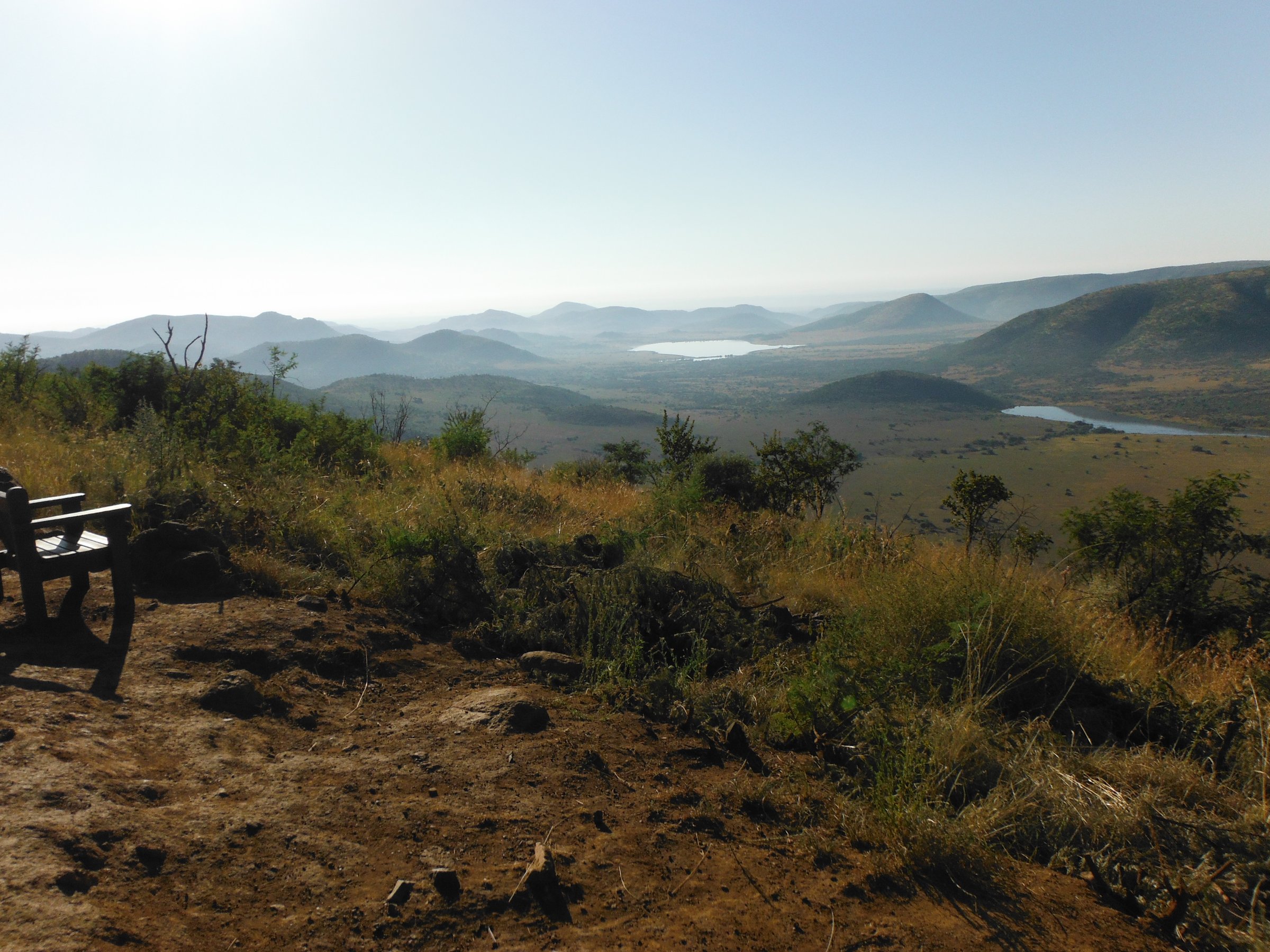
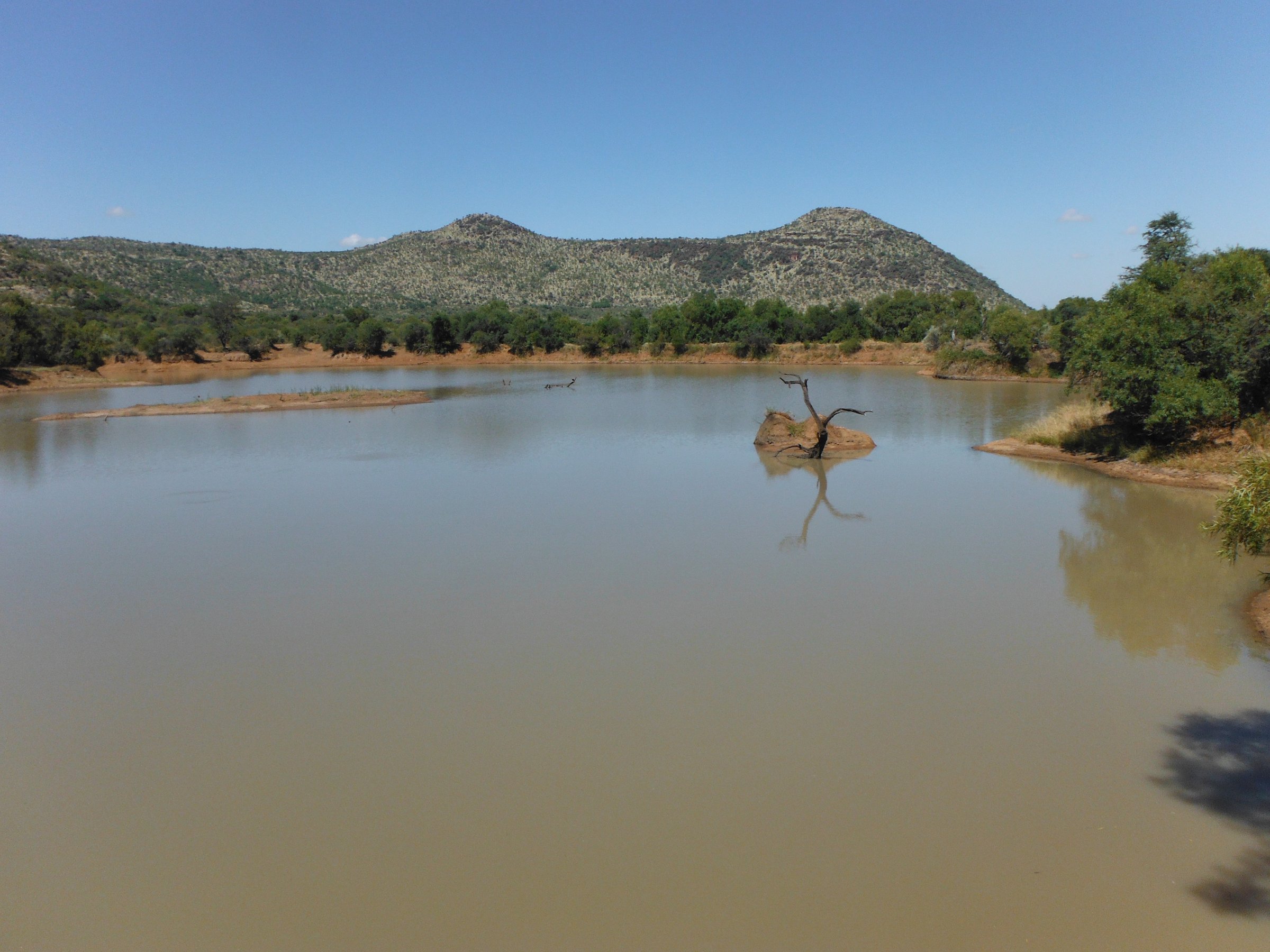
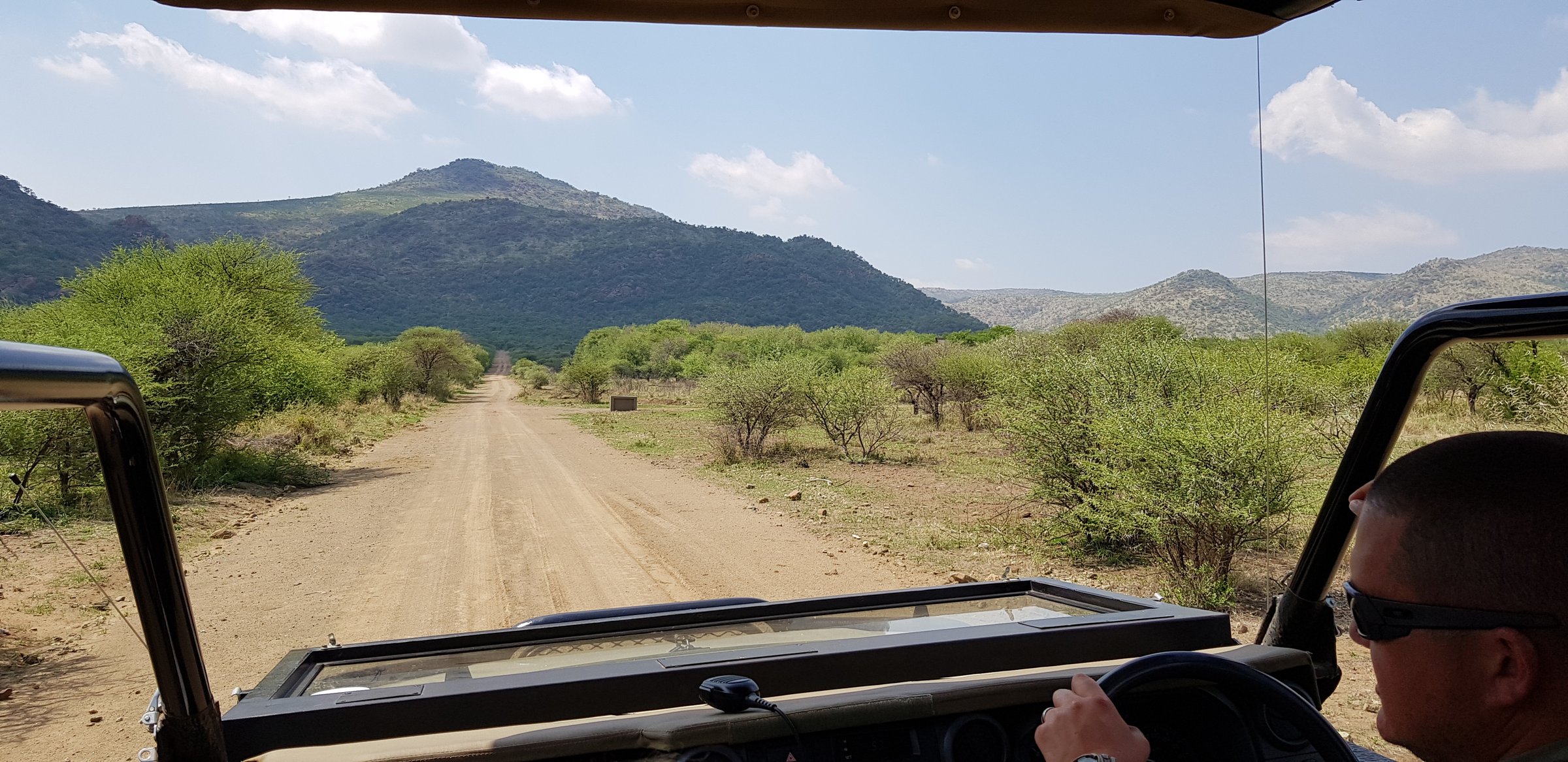
Pilanesberg: the Big Five in the crater of an extinct volcano
Pilanesberg sits inside the crater of a volcano that was active around 1,300 million years ago and left behind one of the largest alkaline volcanic complexes in the world — a smaller but geologically related counterpart to Kruger. Following Operation Genesis in 1979, which fenced off the area and reintroduced dozens of species, the park today holds more than 7,000 animals across just under 580 square kilometres, including the full Big Five and more than 300 bird species. It's also malaria-free and lies only about two hours from Johannesburg and an hour and a half from Pretoria, so you can head out on a game drive without a long drive to get there.
Sun City: the Lost City and the Valley of the Waves
Right next to Pilanesberg, the Sun City resort has been drawing visitors since 1979. At its heart is the Lost City, with the Palace of the Lost City hotel and two eighteen-hole golf courses designed by Gary Player. The Valley of the Waves water park adds the Roaring Lagoon, an artificial lagoon with a 1.2-metre wave every ninety seconds, the roughly seventy-metre Temple of Courage slide, the calmer Sacred River Ride for families with children, and the Bridge of Time, with its elephant statues and model volcano, which connects the Lost City to the water park. A good choice for a day of rest between two safari stretches.
Sterkfontein and Maropeng: the Cradle of Humankind
On the way back to Johannesburg, roughly fifty kilometres north-west of the city, lies an area inscribed on the UNESCO World Heritage List back in 1999 as the Cradle of Humankind. The Sterkfontein Caves have yielded some of the most important fossils in the history of palaeoanthropology — the "Little Foot" skeleton and the "Mrs Ples" skull. The Maropeng visitor centre then walks you through the whole story of human evolution with an interactive exhibition, including the "Almost Human" section on the 2015 discovery of Homo naledi in the Rising Star cave. The cave tour itself takes about 45 minutes, runs every hour (last tour at 16:00), and in places requires stooping or crawling through a lower passage — so it's not quite for everyone, but it's worth the experience.
This module works great as the start or finish of a longer South African trip, and it combines well with SunEden, just a short distance away near Pretoria. You can also extend the programme with the Panorama Route and Kruger.
Want to add Pilanesberg, Sun City or Sterkfontein to your programme? Let us know how many days you have, and we'll put together a specific route.
Anyone who still has an appetite for more after the Panorama Route and Kruger can add another five to six days – Eswatini and the KwaZulu-Natal coast follow on naturally, without any awkward backtracking.
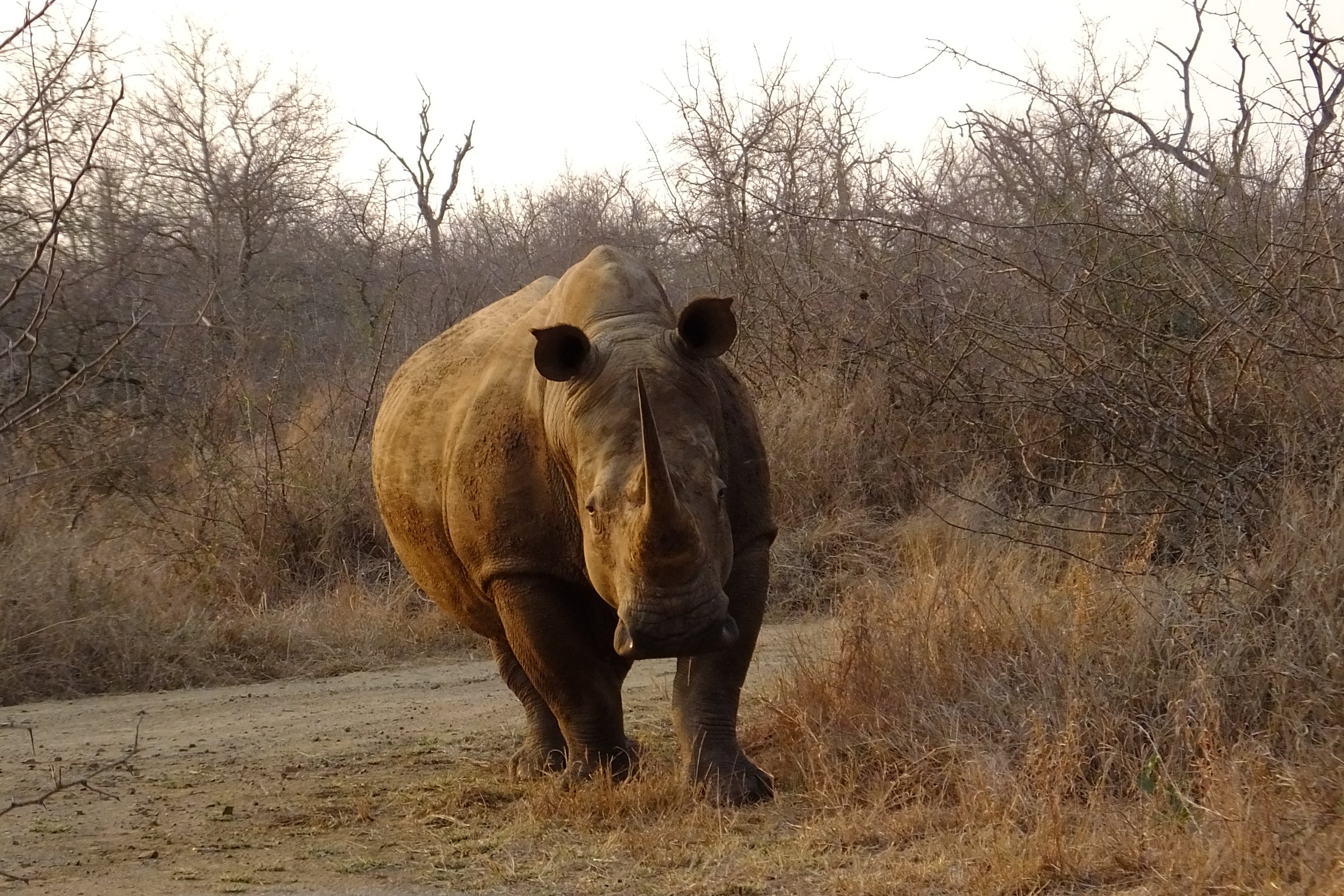
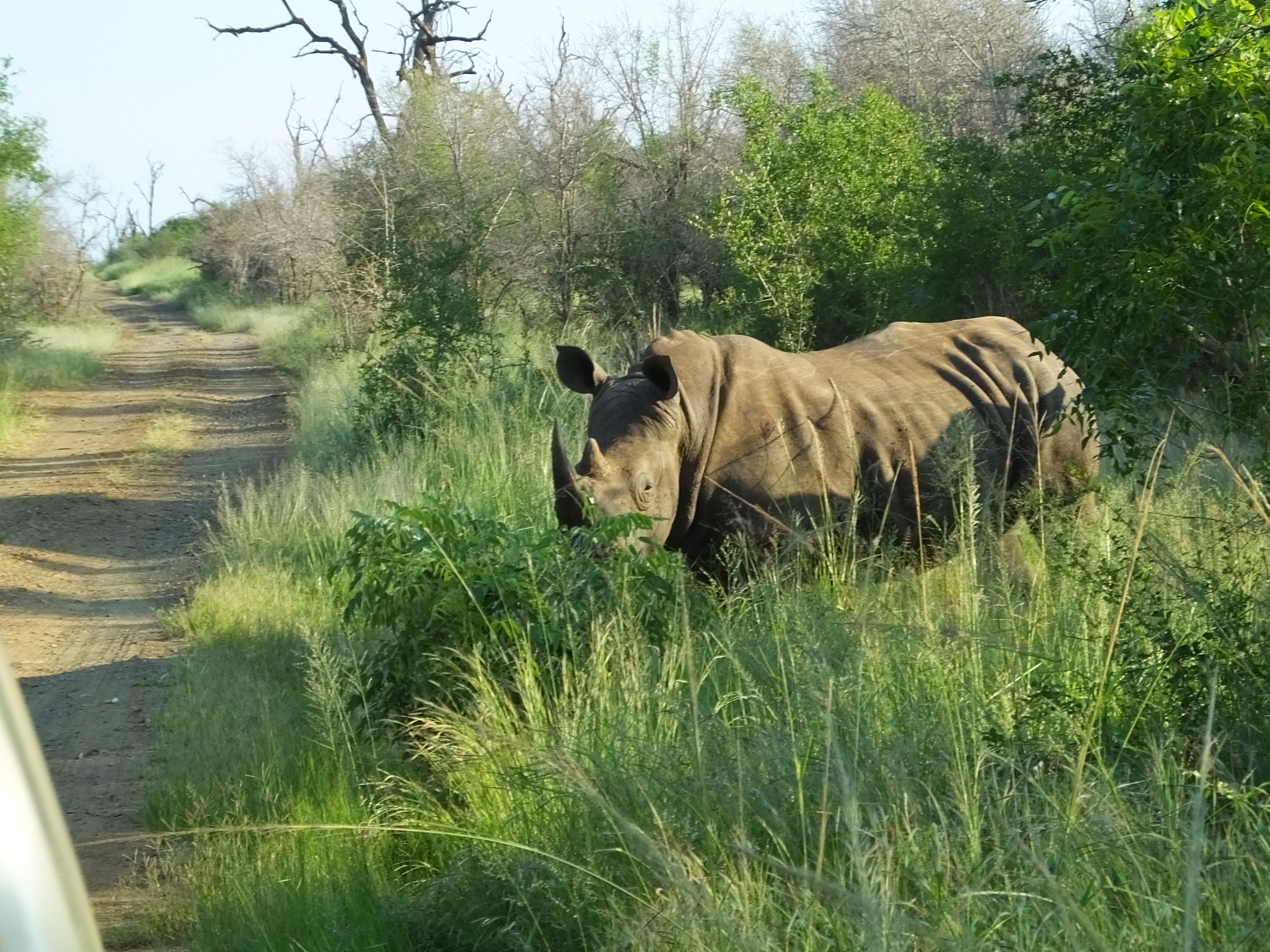
Eswatini: Hlane and the Ngwenya Glass factory
Hlane Royal National Park is home to the Rhino Drive – an outing where, at the right moment, the ranger stops the vehicle, cuts the engine, and if a particular rhino allows it, you approach on foot to within a few dozen metres. Distances from Manzini and accommodation options inside the park are easy to arrange as part of the wider route. It's also worth stopping at the Ngwenya Glass factory along the way, where glass is hand-blown from recycled material right in front of visitors.
St. Lucia: hippos and crocodiles up close
The town of St. Lucia sits on the edge of the iSimangaliso Wetland Park – a protected area covering roughly 3,000 km² on the KwaZulu-Natal coast, inscribed as a UNESCO World Heritage Site in 1999 for its exceptionally diverse and fragile ecosystems. The main draw is a roughly two-hour scenic cruise on Lake St. Lucia – hippos are visible on practically every trip, Nile crocodiles somewhat less reliably, since they tend to stay closer to the bank and often show only their eyes above the waterline.
Cape Vidal: a beach without the crowds
A short way north of St. Lucia, within the same protected area, lies Cape Vidal beach – golden sand, grassy dunes and warm Indian Ocean water. The seabed drops away steeply right by the shore, which makes the spot good for both fishing and snorkelling. Facilities are deliberately minimal (just toilets and a small shop), so it's worth bringing your own food and drink. From November to February, sea turtles come ashore here to lay their eggs.
Hluhluwe-iMfolozi: where the white rhino survived
Hluhluwe-iMfolozi Park has a remarkable conservation history – in the early 20th century, it became the last refuge for a few dozen remaining southern white rhino after hunting had brought the species to the brink of extinction, and today's global population of more than 17,000 white rhino descends almost entirely from that group. The park is also home to the rest of the Big Five, so this coastal leg of the trip adds one more solid chance at a safari.
This combination follows on naturally from the Panorama Route and Kruger, but it can also be arranged on its own. Let us know how many days you have, and we'll put together a specific route.
If you only have three or four extra days in South Africa, you don't have to choose between the dramatic scenery of the Panorama Route and a safari in Kruger National Park – the two combine neatly into one short but full programme.
The Panorama Route: Graskop, Pilgrim's Rest and the Blyde River Canyon
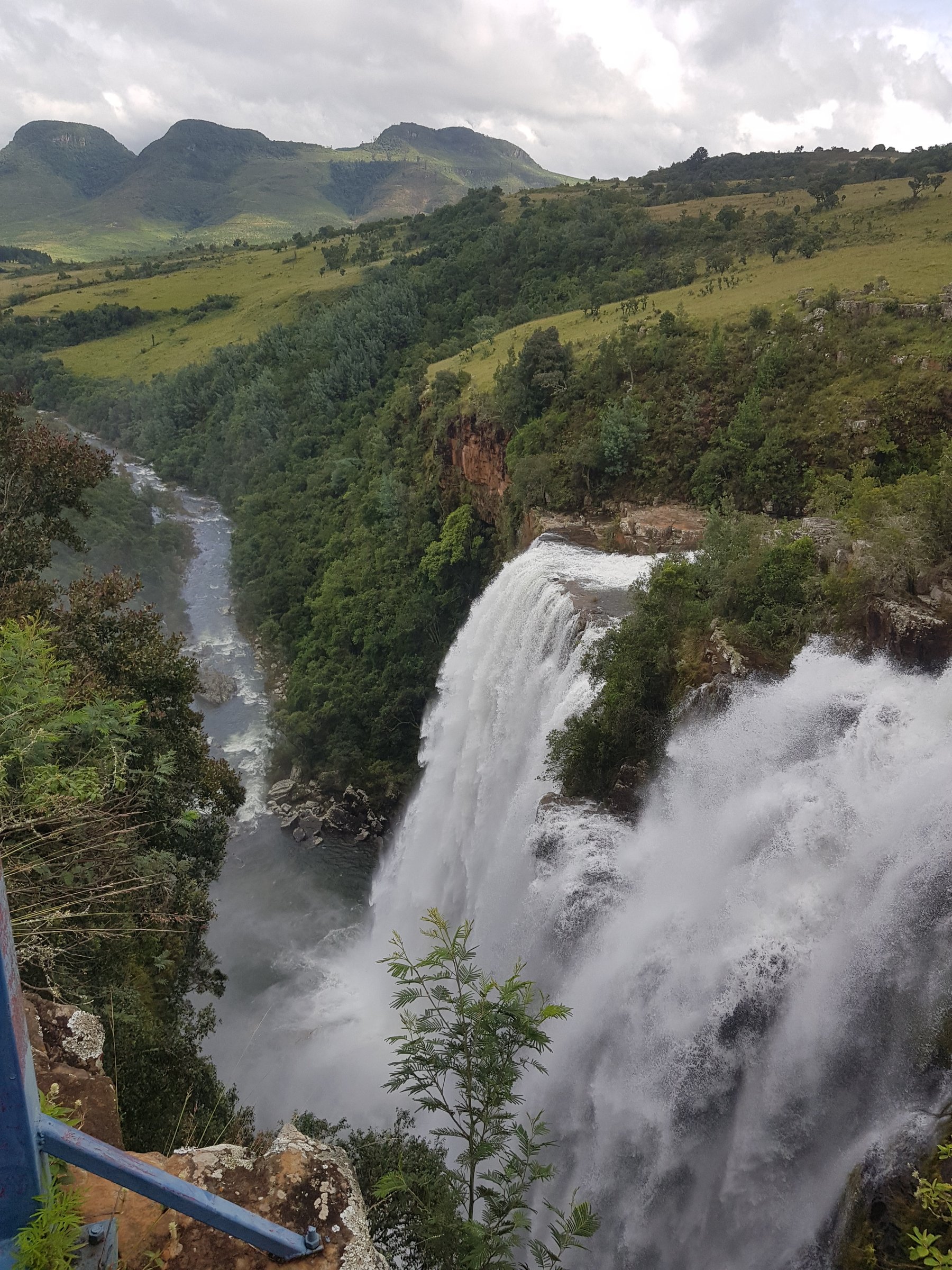
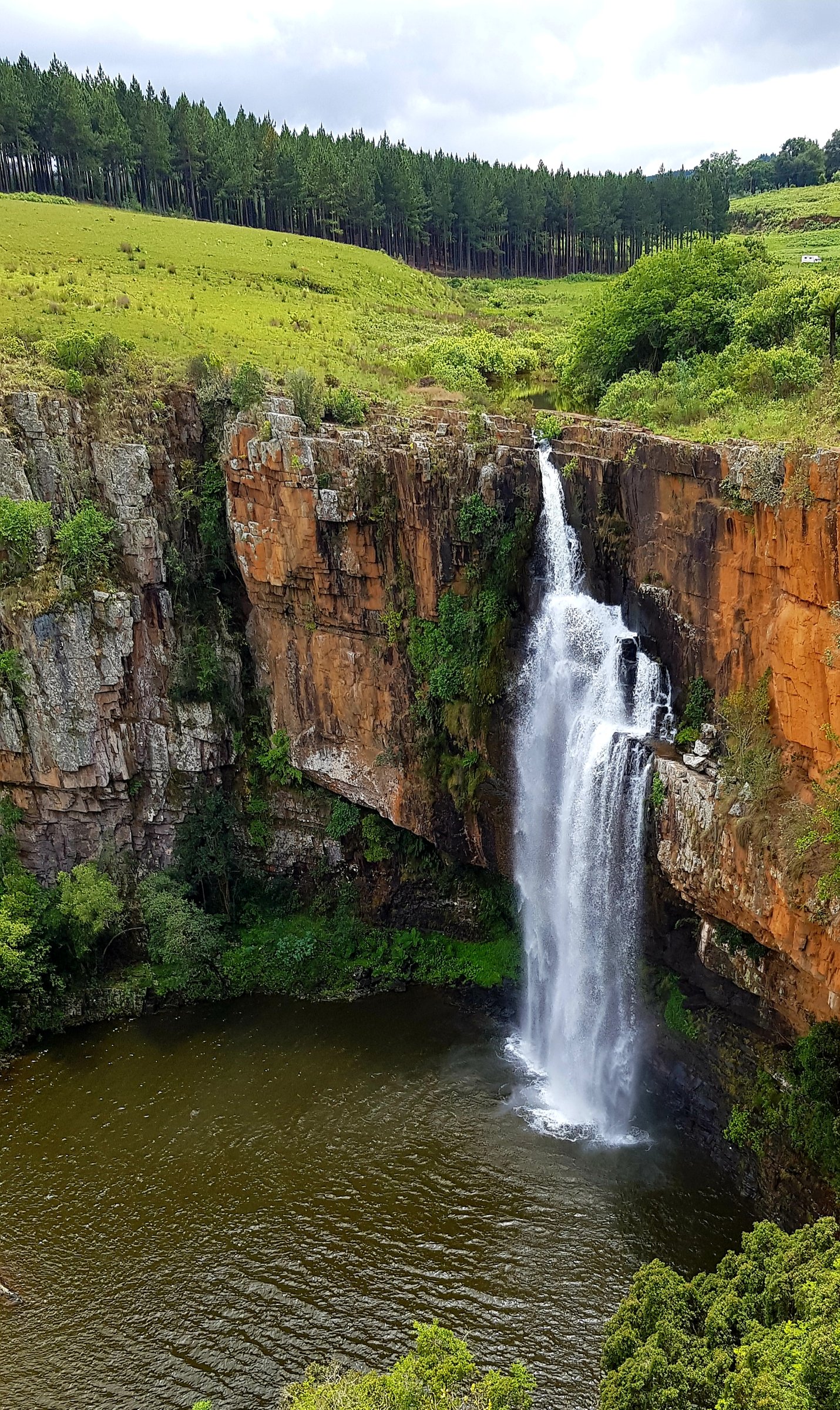
Graskop, perched on the edge of the Mpumalanga Escarpment, is the natural starting point. From there the route leads to God's Window, with views stretching down into the Lowveld, to the Three Rondavels rock formations that resemble round thatched huts, and to Bourke's Luck Potholes – a series of deep, water-carved holes where the Treur and Blyde Rivers meet. The Blyde River Canyon itself ranks among the largest "green" canyons in the world.
A stop in Pilgrim's Rest adds a historical dimension to the route. The town grew up after the area was officially declared a goldfield in 1873, and the entire town has been a national monument since 1986 – people still live there today, but it functions in effect as an open-air museum. There are five separate museums to see (including the Alanglade house and the Printing Museum), a cemetery with the famous Robber's Grave – the only grave in town that doesn't face the sun – and hour-long gold-panning tours where visitors try their own hand at the technique used to sift gold from the stream a century and a half ago.
Two to three days in Kruger National Park
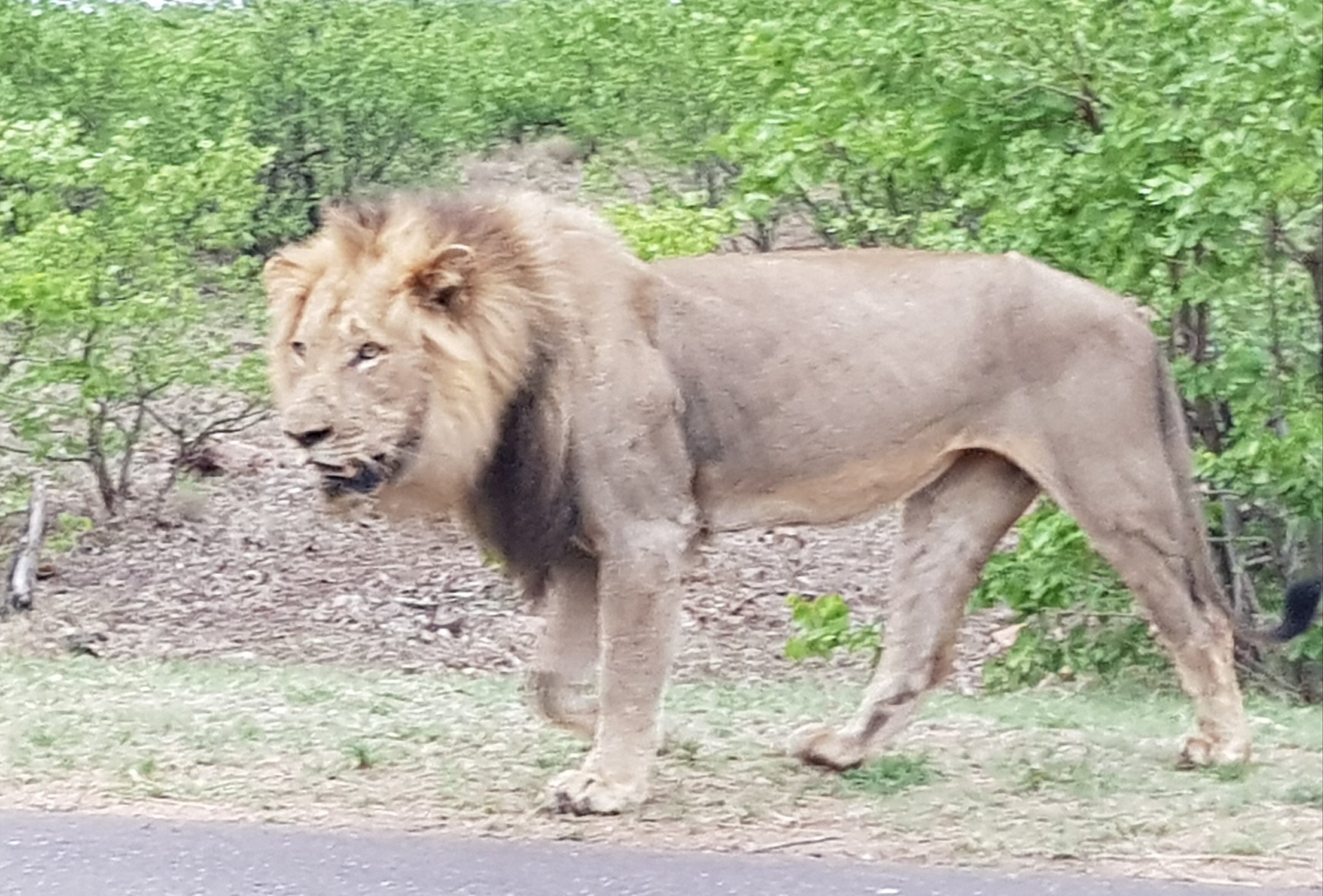
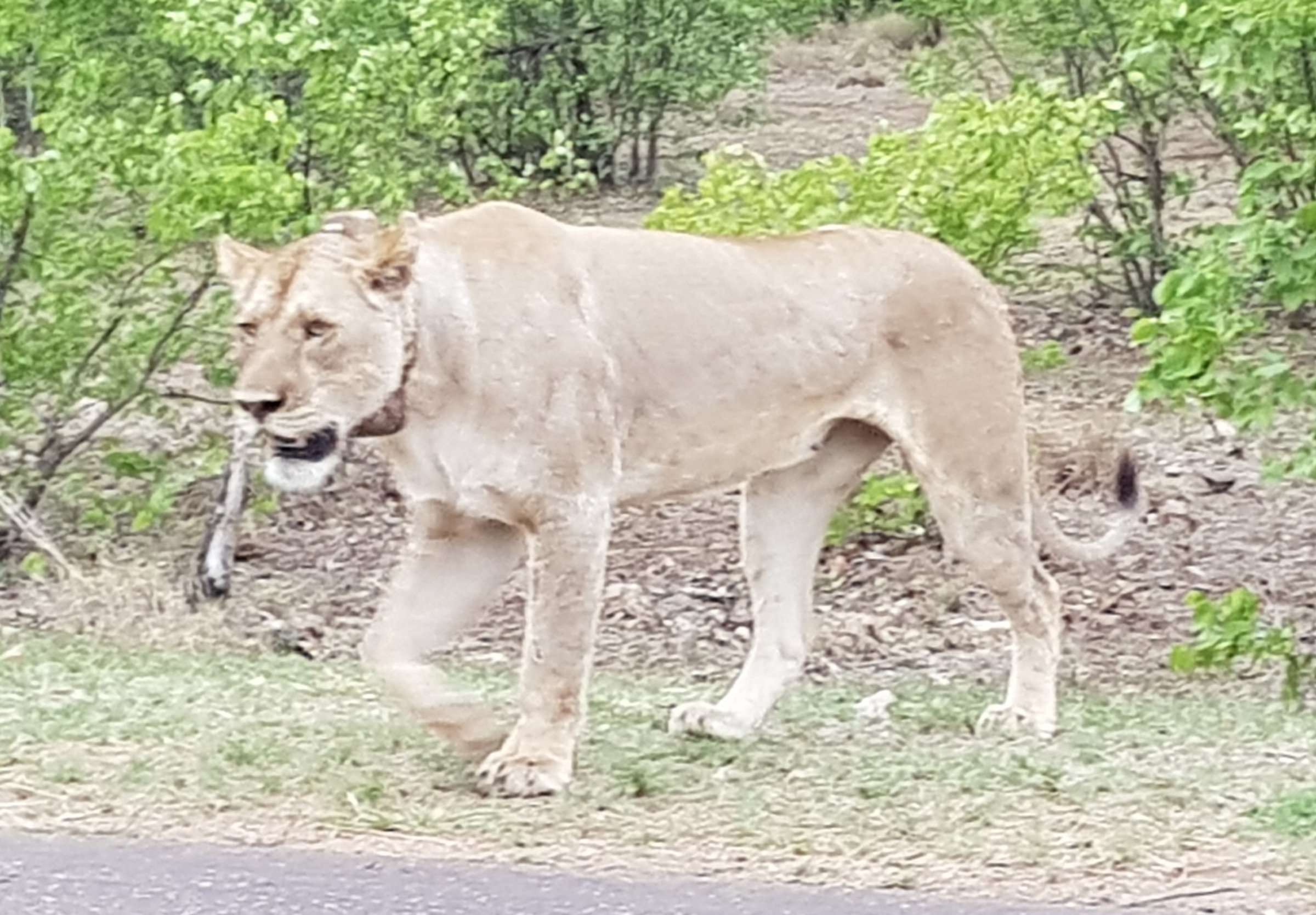
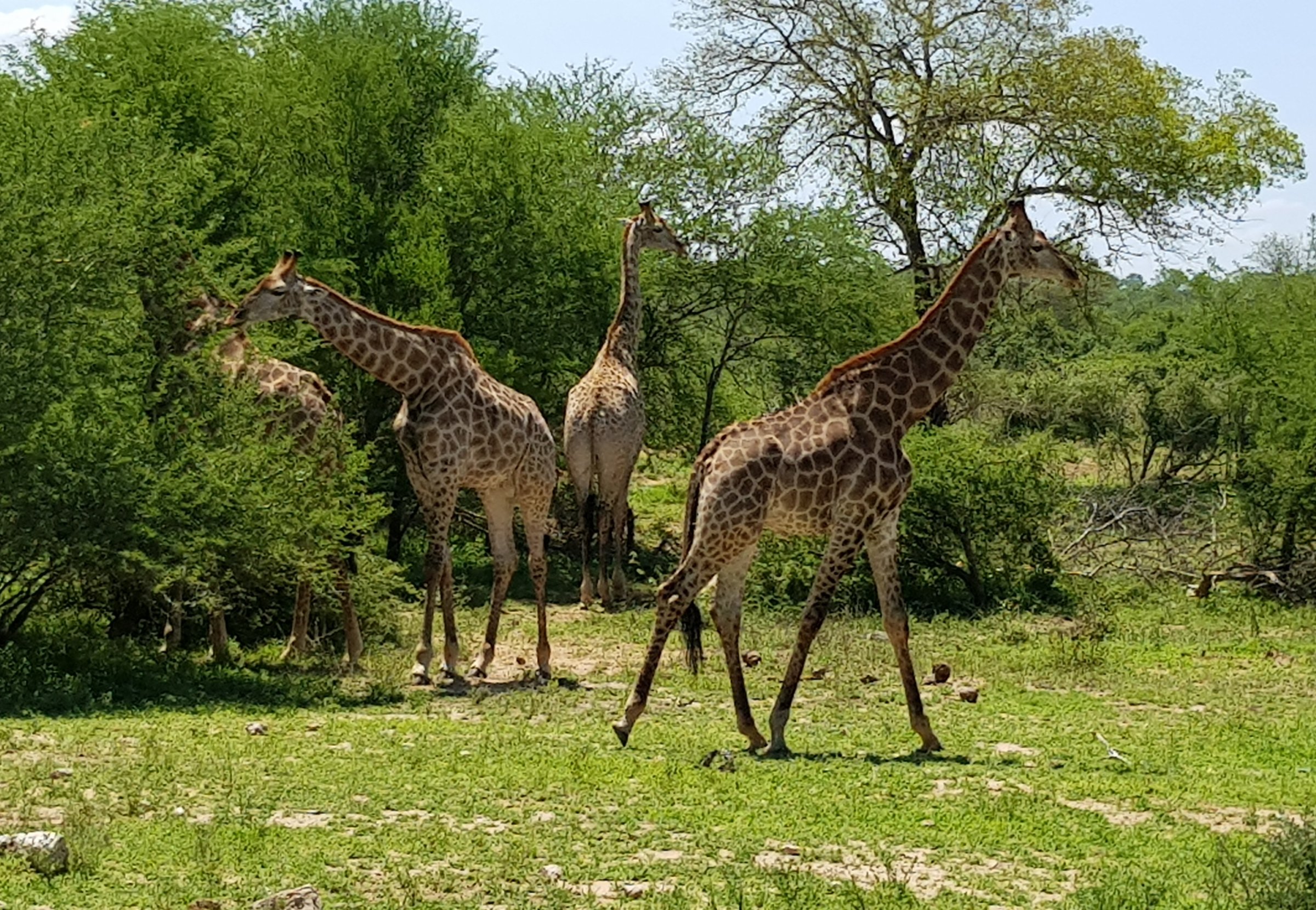
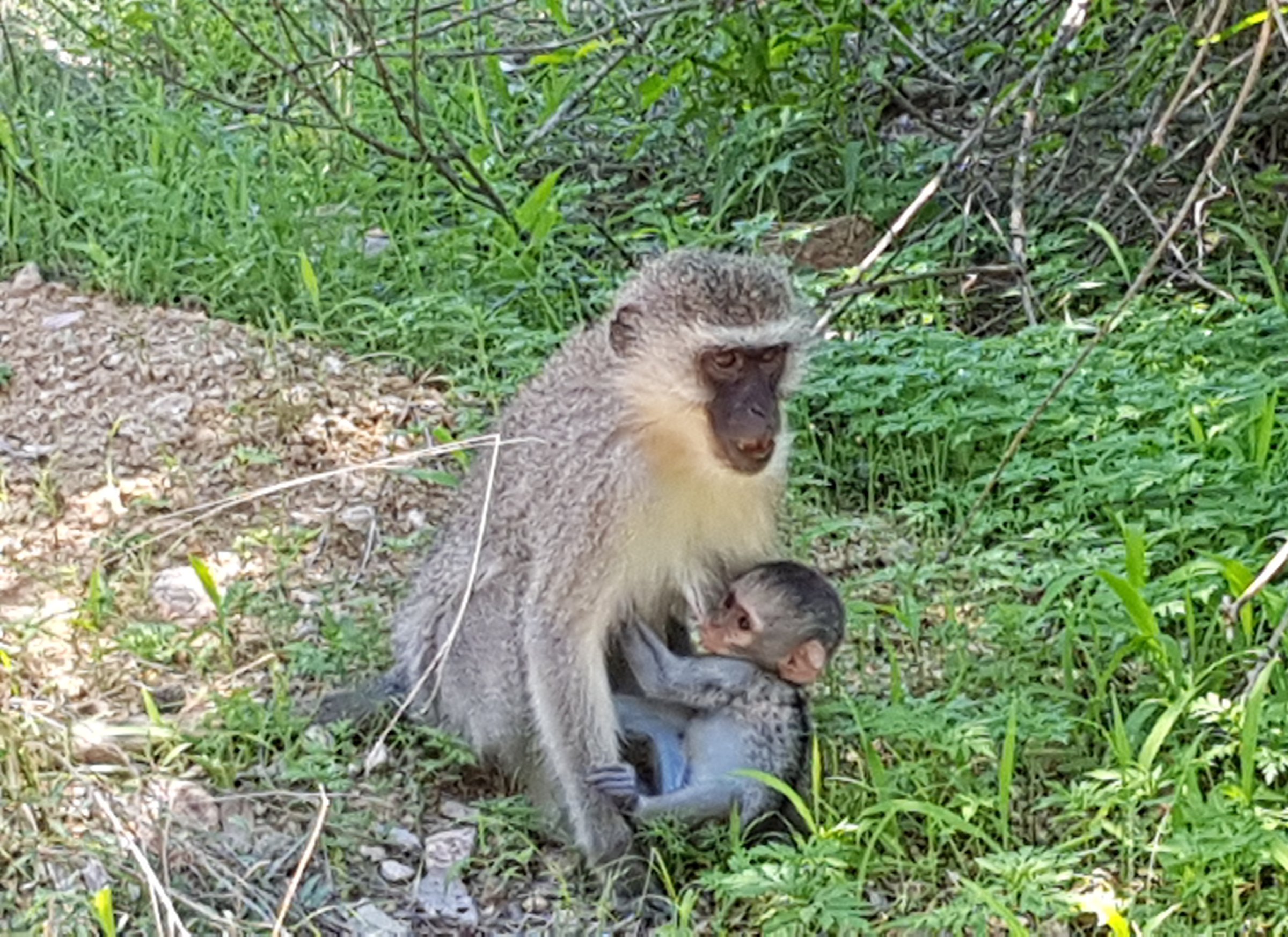
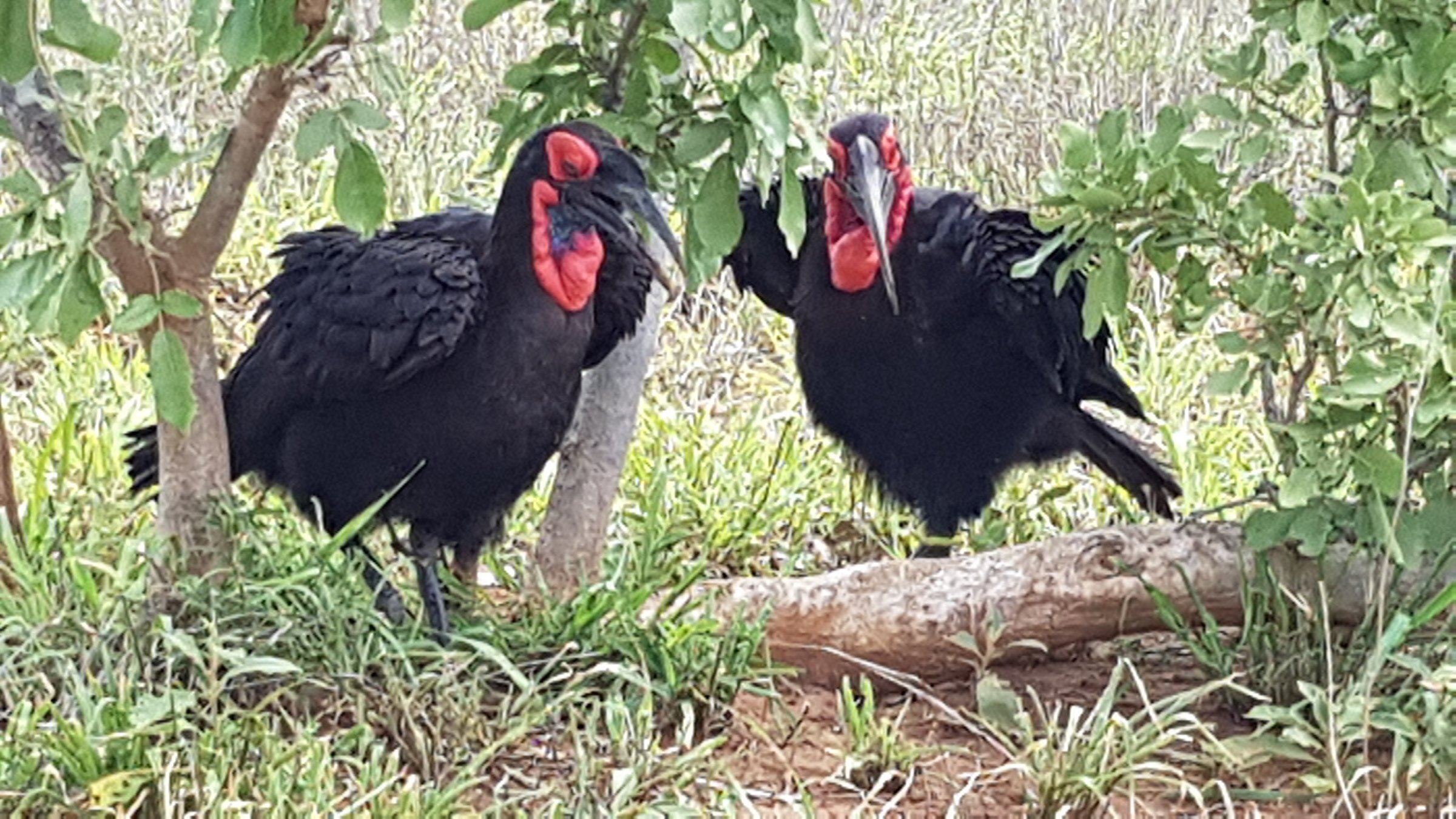
From the Panorama Route it's a short run down into the southern part of Kruger National Park. Depending on how many nights you have, we base the stay around Skukuza or Lower Sabie, or further north around Satara and Letaba – each area has a different density and mix of game, and a different kind of landscape, from denser bush to more open savannah. Two to three days is enough for several game drives at different times of day (mornings and early evenings tend to be busiest) and a solid chance of seeing most of the Big Five.
This module works well as a stand-alone extension to a longer South African trip, or it can be combined with the next step – continuing on into Eswatini and the KwaZulu-Natal coast.
Want to add the Panorama Route and Kruger to your trip? Let us know how many days you have, and we'll put together a specific route.
A good tailor-made trip doesn't start with a list of hotels. It starts with a conversation about what you want to experience and how you want to travel.
Some people dream of their first safari, others of Cape Town, a coastal trip, the mountains, history, or wine and good food. It's often best to combine several of these so the trip has a rhythm, with room left for rest and surprise too.
Group size
For two, or for a small group
A private trip can be arranged for just two travellers. Intimate groups of around six to ten people offer a comfortable mix of shared experience and personal attention. For larger groups, a practical maximum, depending on the route and transport, is around twelve to sixteen participants.
What matters to you
What we take into account
- how much time you have and when you'd like to travel,
- which countries and types of experience draw you,
- your pace, fitness and experience with Africa,
- your group size and the level of privacy you need,
- sensible distances, logistics and safety.
South Africa is at the core of what we offer; where the route makes sense, we can also include Namibia, Botswana, Eswatini or Lesotho.
Your guide
Personally with Zuzana
Zuzana guides the trip in person and works together with a driver. She's a licensed South African guide for all nine provinces, and after around 27 years living in South Africa, she knows the key places, how they connect, and the practical side of travel.
What we offer isn't built around the lowest price. We favour quality, safety, local experience, and a programme that fits the actual people travelling.
Let's start planning your trip
Tell us what draws you, how many of you are travelling, and roughly when you'd like to go.